
Distiller's Notes | Wild-Foraged Gin. What does It Actually Mean?
Foraging has become a bit of a buzzword.
You see “foraged”, “wild” and “local botanicals” on quite a few bottles these days, so I can understand why people assume it’s mostly marketing.
People are often surprised when I tell them that when I say Lantic is wild-foraged, I mean I actually go out and pick the botanicals myself.
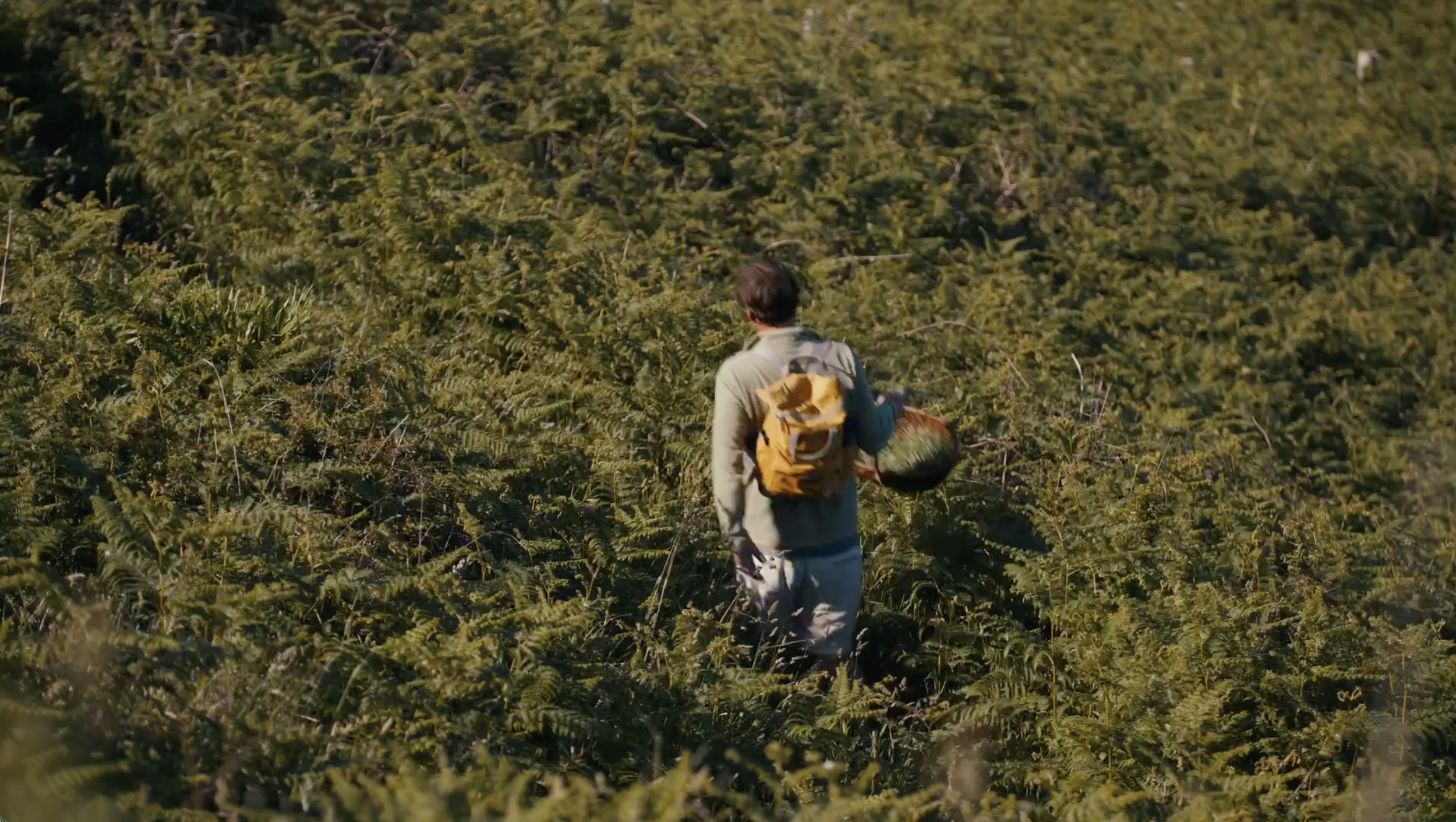
Foraging wild flowers and botanicals | Coastal path around Lantic Bay
Most gins start with a recipe. Mine started with a walk.
When I started Lantic, I didn’t just want to make another gin in Cornwall. I wanted to make something that actually tasted of where it came from.
So I started looking at what was growing around me. Along the coast paths, in the hedgerows, fields and woods.
Wild mint, gorse flowers, blackberries, elderflower, rock samphire. What I find changes throughout the year, which is really where the idea of making four seasonal gins came from.
I pick everything by hand, bring it back to the distillery and, wherever possible, distil it straight away.
That freshness makes a difference.
Anyone who cooks with herbs will know there’s a big difference between something you’ve just picked from the garden and something that’s been dried and sitting in a packet for months. It’s the same principle with gin.
Fresh botanicals can be more vibrant, greener and sometimes less predictable. But that’s part of what I like about working with them.
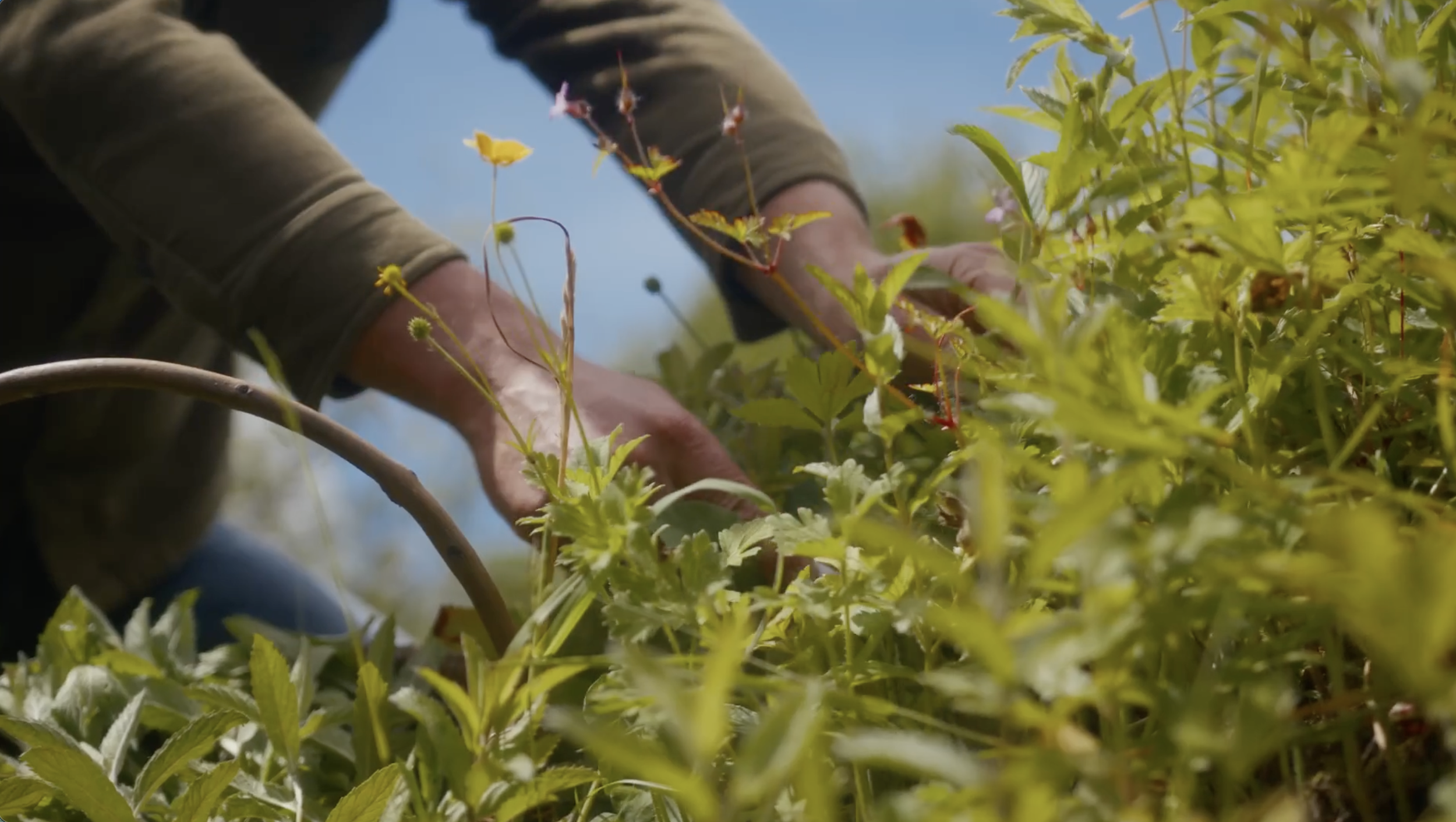
Nature doesn’t always follow a production schedule
Foraging also means accepting that I’m not completely in control. Some years there’s an abundance of something. Other years, hardly anything. The timing changes too.
This summer was a good example. The blackberries came out early, but the dry weather meant they shrivelled pretty quickly. Luckily, last year had been a bumper crop and I’d picked and frozen plenty while they were at their best. Those blackberries are now going into the Winter Gin I’m distilling.
You learn to think ahead. If there’s an abundance one year, I’ll preserve some for the next because there’s no guarantee the following season will play ball. Maybe not the most efficient way to make gin, but this is exactly the point.
Not just made in Cornwall. Of Cornwall.
The whole reason I started foraging was to try to capture something of the seasons and landscape here in the gin. You can distil in Cornwall using botanicals sourced from all over the world and make a very good gin. But I wanted Lantic to have a genuine sense of place.
That’s also why staying small matters.
I can spend a morning picking something and have it in the still that afternoon. I can work with what’s growing well rather than needing nature to produce the same thing, in the same quantity, every year.
You simply couldn’t work like that if you were producing gin at supermarket scale.
I don’t forage because it makes a good story. I forage because this is what makes the difference. Not just to make gin in Cornwall, but to try and get a little bit of Cornwall into every bottle.